01
Practise
Years of martial arts training have taught me that understanding comes from repetition, experimentation and continual refinement.
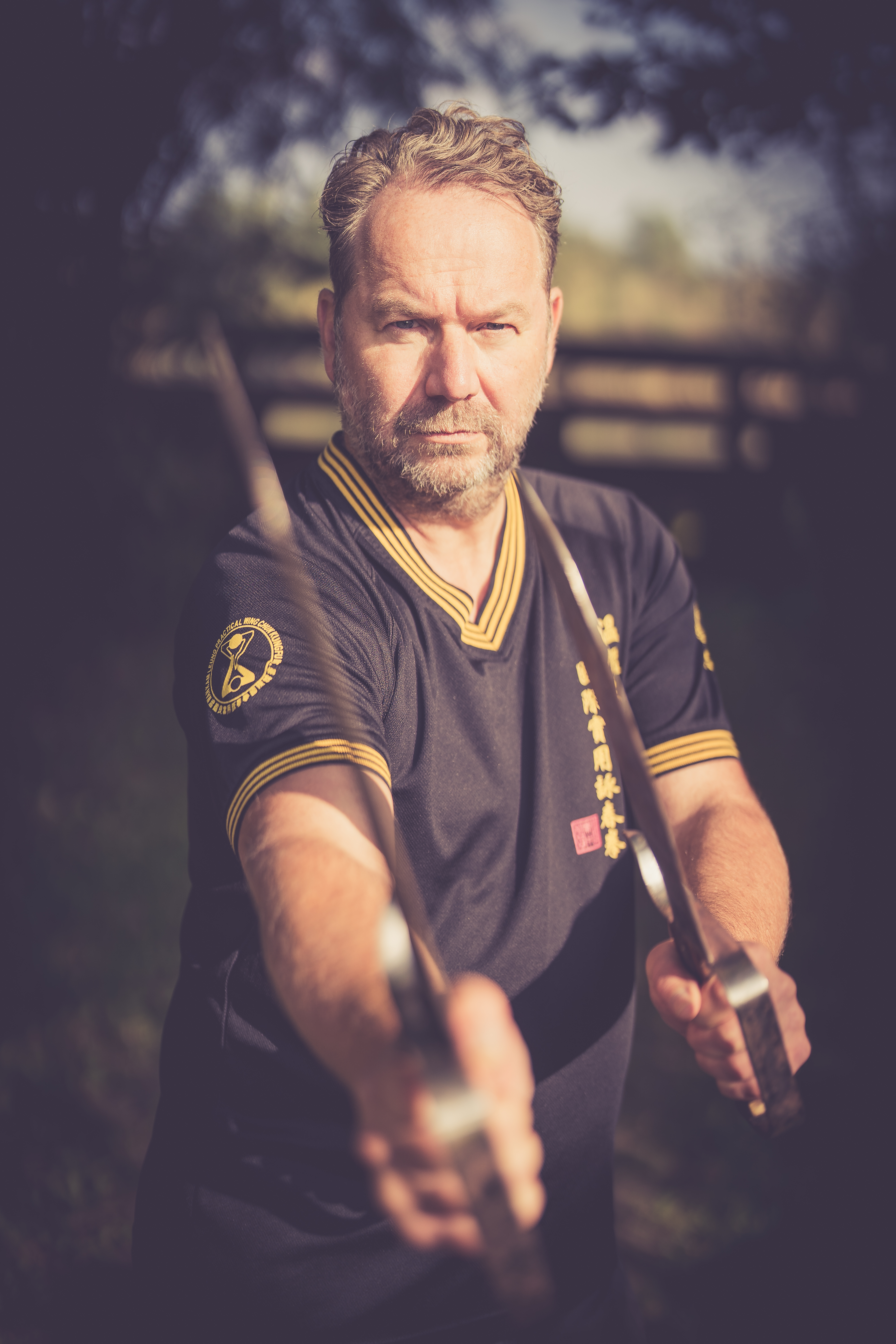
Sifu · Author · Practical Wing Chun
Certified Practical Wing Chun instructor and author of the My Personal Wing Chun Tao book series.
Wing Chun is not a collection of techniques to memorise. It is a system of principles to understand — structure, sensitivity, movement, intent and the coordinated use of the whole body.
My approach
Good Wing Chun begins with technique, but it does not end there. The real study is learning why a movement works: how structure carries force, how relaxation improves sensitivity, how the body remains connected while moving, and how intent gives direction to technique.
That search for understanding has shaped both the way I train and the way I teach.
Three pillars
Years of martial arts training have taught me that understanding comes from repetition, experimentation and continual refinement.
Teaching forces you to explain what you think you understand. Demonstrating, testing and correcting have become part of my own learning.
My books began as training notes. Over time they became a record of how my understanding of Wing Chun developed — from structure, to movement, to the coordinated use of the whole body.
My Personal Wing Chun Tao
When I chose the title My Personal Wing Chun Tao, it was never intended as a claim of authority. Tao (道) means a way, a path — and these books document mine.
Tradition provides the foundation, but understanding grows through practice, questioning and continual refinement. Each book is therefore a snapshot of my understanding at a particular stage of the journey.
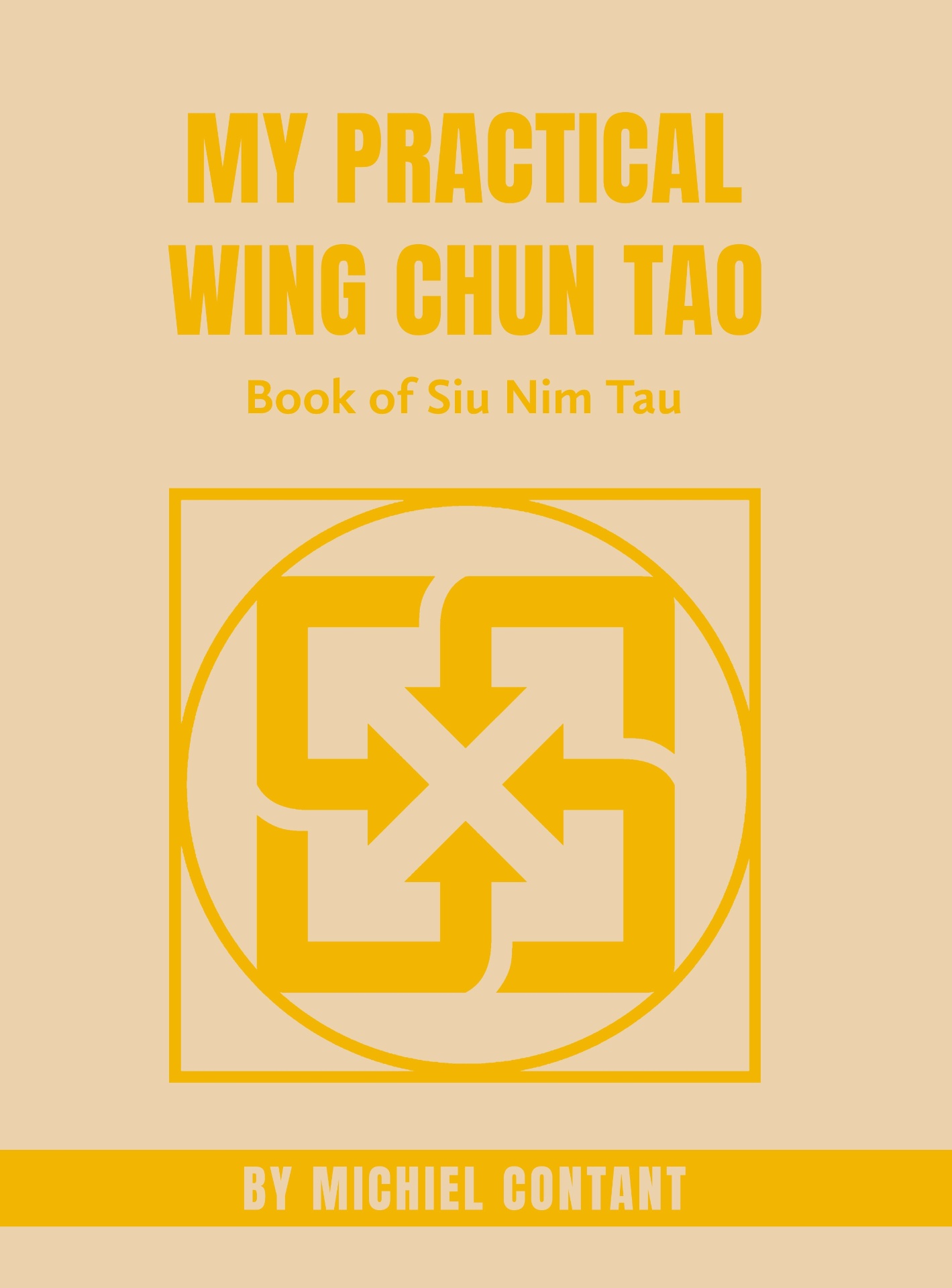
01 · The foundation
Structure, centreline, alignment, relaxation and sensitivity. The first book explores the principles on which everything else is built — learning to use structure instead of unnecessary strength and beginning to understand rather than simply imitate.
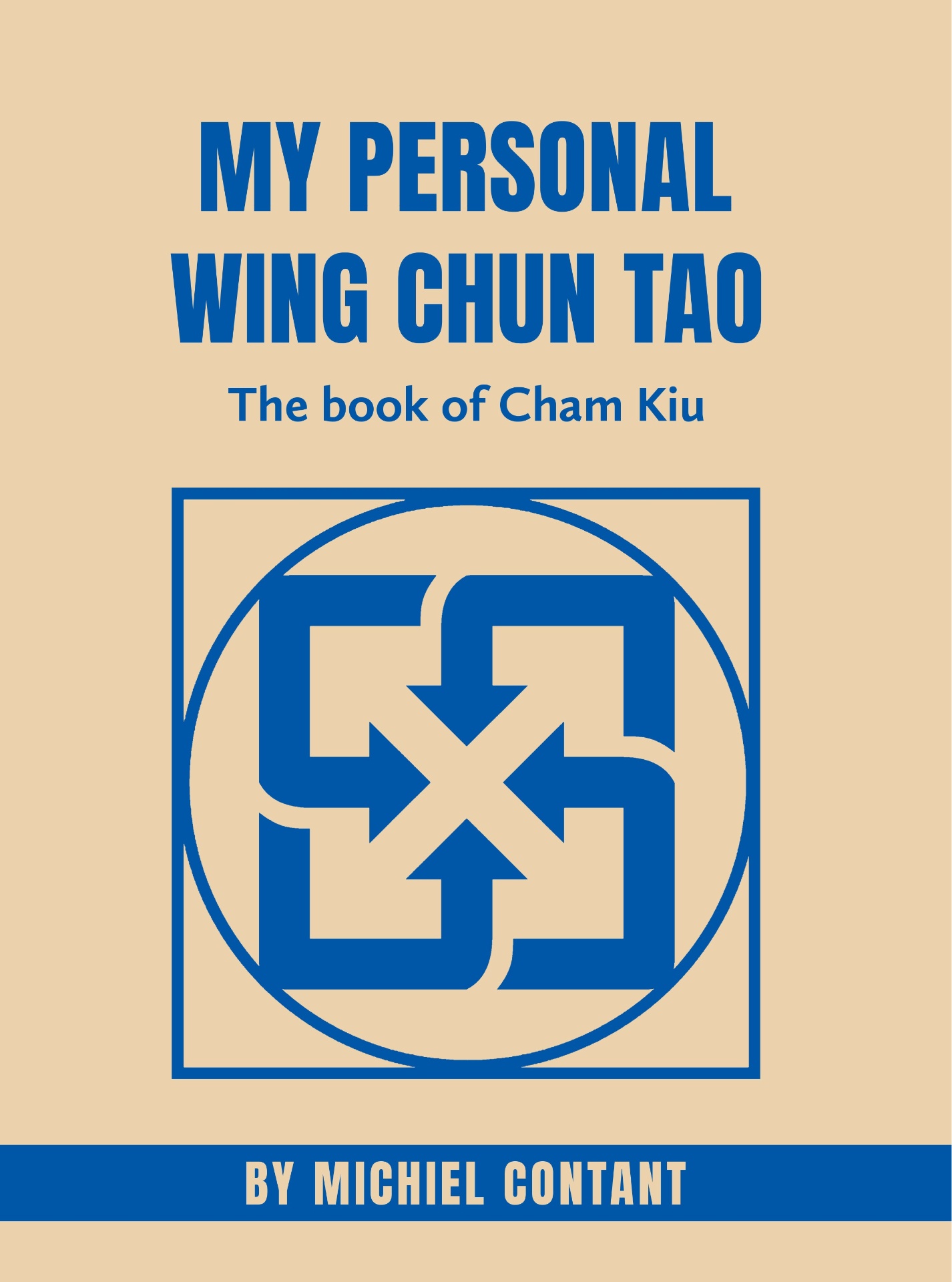
02 · Connection and movement
The structure begins to move. Cham Kiu explores footwork, bridging, turning, distance and the connection between the upper and lower body. The challenge is no longer simply to hold structure, but to preserve it while moving.
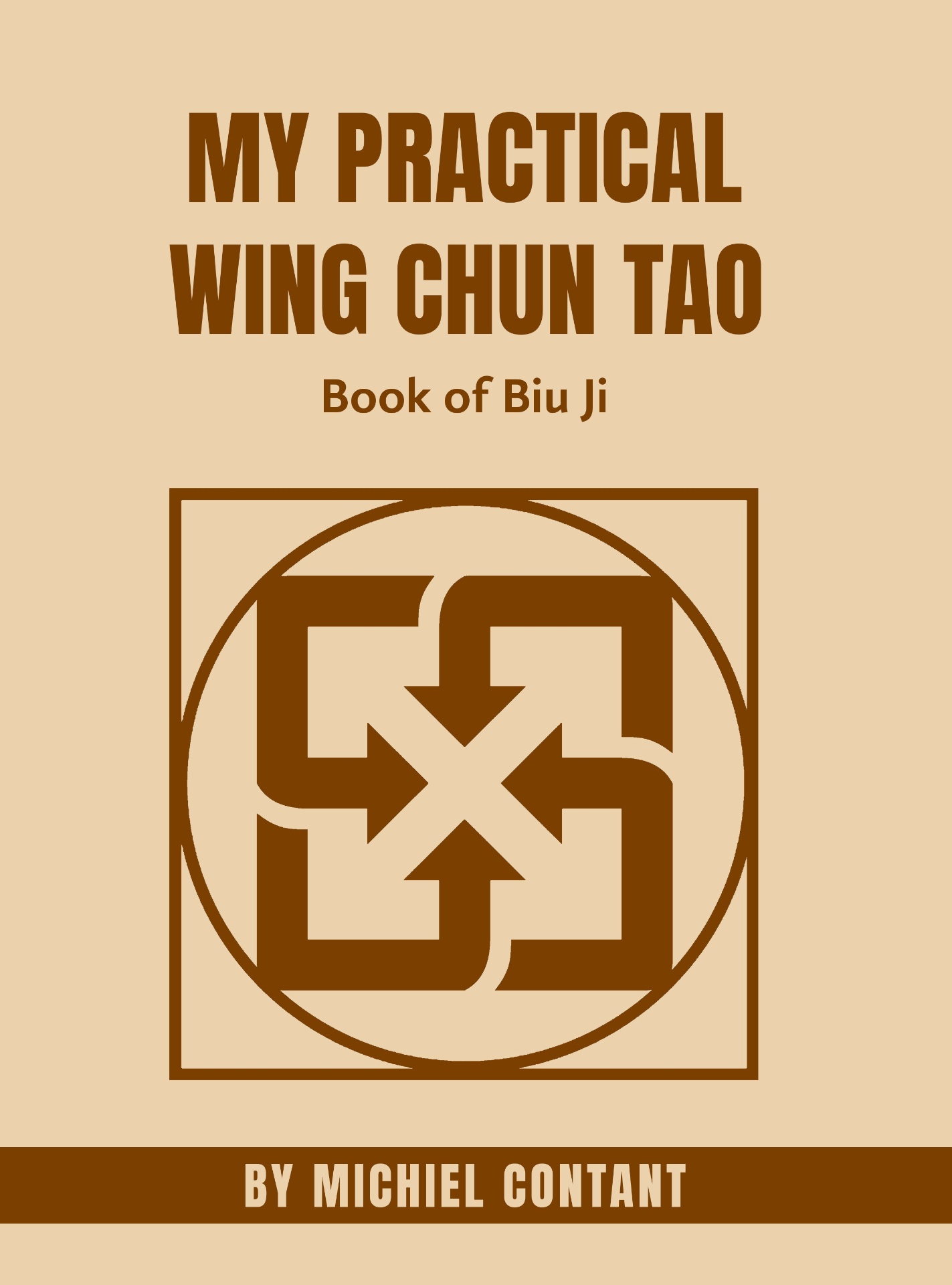
03 · Refinement and integration
The third book represents the deepest stage of my Wing Chun study so far. Movement becomes smaller and more refined, while the focus expands toward intent, Sung, Ging, spiraling and Coordinated-Power — learning to use the body as one connected whole.
The Tao is not rigid. It flows. My path does not replace tradition; it evolves from it.
This is my Tao, but I share it in the hope that it may help others find their own.
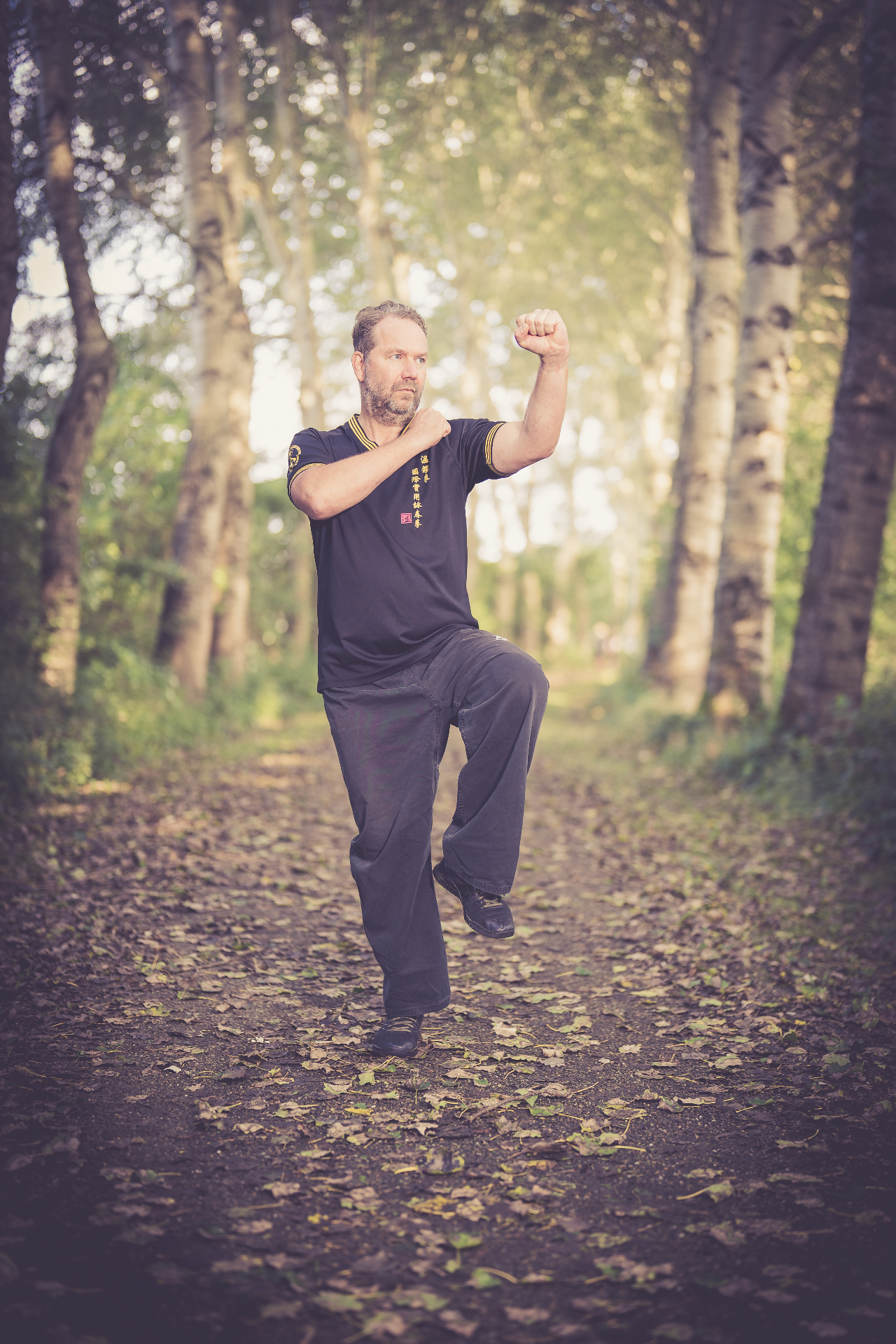
Private training
Books can explain principles. Video can show movement. But sometimes you need someone to feel your structure, correct an angle or show you where force is being lost.
Private training allows us to work directly on those details.
Online companion to the books
Wing Chun terminology can become confusing quickly. The same technique may appear under different spellings, Romanisation systems or interpretations.
The Wing Chun Techniques reference brings together Chinese characters, Jyutping, Pinyin, translations and explanations for terminology used throughout my books and training.
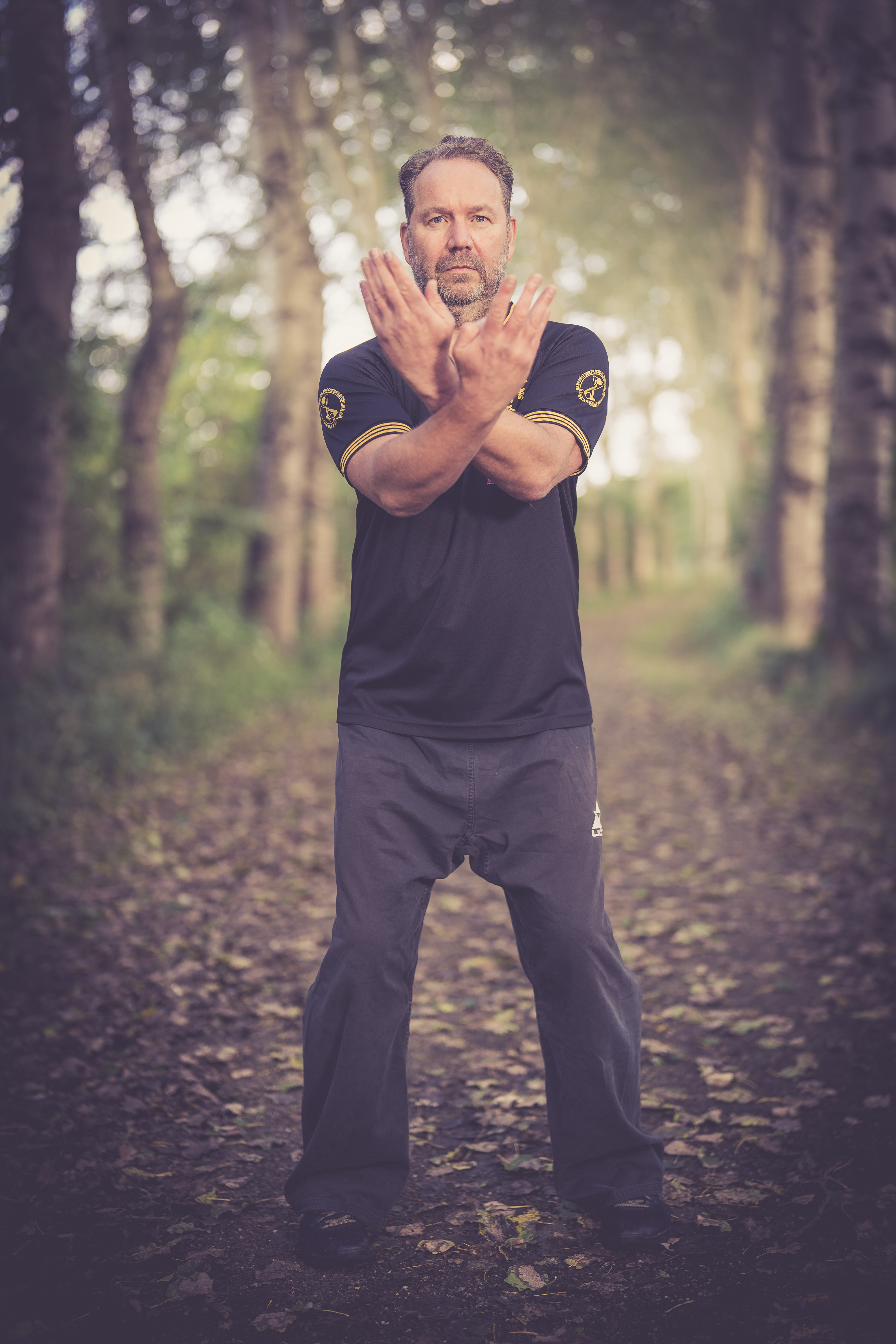
What's next?
My study of Wing Chun has increasingly led me toward questions of connection, relaxation, intent and whole-body movement. Those same questions eventually brought me to Wu-style Taijiquan — and to my next book project.
Discover what's next →Direct contact
Contact me about private training, the books or the Wing Chun terminology reference.